
Walk through any online marketplace and you will find essential oils promising to cure almost everything, priced suspiciously low or ridiculously high, reviewed by thousands.
Then you will find wellness accounts insisting oils changed their lives, and skeptics insisting it is all perfume and placebo. A beginner standing between these camps deserves a calmer answer, so here is one, written by someone who has practiced and taught aromatherapy in the Philippines for years and has no interest in overselling it.
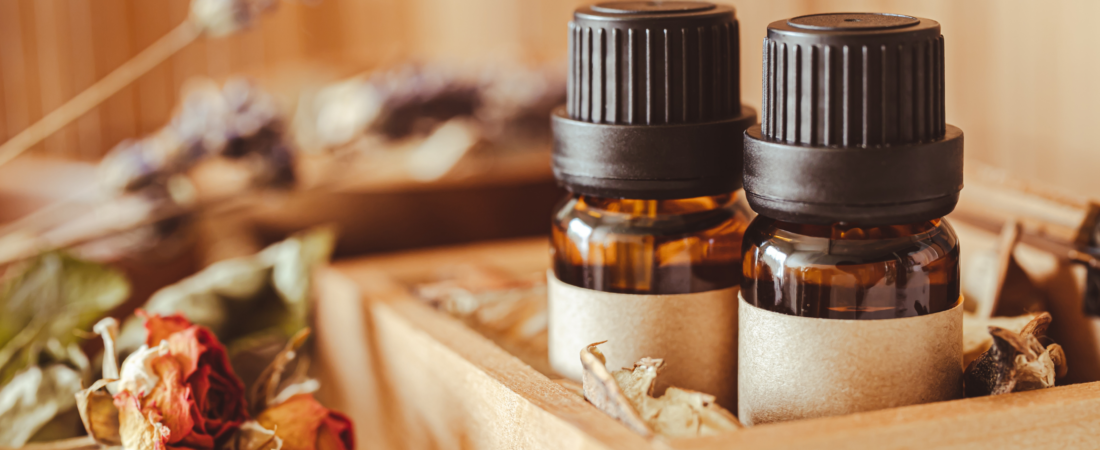
Essential oils are concentrated aromatic compounds extracted from plants, usually through steam distillation or, for citruses, by pressing the peel. The word concentrated is doing heavy lifting in that sentence. It can take an enormous amount of plant material to fill one small bottle, which explains two things at once: why genuine oils are rarely cheap, and why a substance this potent deserves respect rather than casual splashing.
What can they honestly do?
Aromatherapy works mainly through scent and the nervous system. Smell has a direct line to the parts of the brain involved in emotion and memory, which is why a single scent can return you instantly to your grandmother’s kitchen. Used well, oils can support relaxation, ease the feeling of stress, help signal the body toward rest, make a space pleasant, and turn an ordinary routine into something that feels like a ritual. These are real, worthwhile effects. What oils cannot do is cure disease, replace your doctor, or fix a life that needs rest, boundaries, or professional care.
Anyone promising that is selling something other than aromatherapy.
If you are starting from zero, you need exactly two purchases: one or two good oils and a way to use them.
For first oils, lavender is the classic for a reason, gentle and broadly useful for winding down. Sweet orange is affordable, cheerful, and forgiving. Peppermint is useful for alertness, though it is stronger than it seems and is not appropriate around young children. Resist the “starter set” of fifteen bottles; two oils used well will teach you more than fifteen gathering dust.
For methods, a simple diffuser is the easiest entry. Add water to the fill line, add three to five drops of oil, and run it for thirty to sixty minutes in a ventilated room rather than all day, because more is not better with concentrated plant compounds.
No diffuser yet? A few drops on a tissue near your desk, or in a bowl of warm water, works honestly fine.
Now the part most beginner guides skip, which is the part that matters most.
- Essential oils should never go on skin undiluted. They are mixed first into a carrier oil, such as coconut or jojoba, and a sensible starting point for healthy adults is around a 2% dilution, which is roughly four drops of essential oil per 10mL of carrier. Do a small patch test on your inner arm and wait a day before wider use.
- Do not take oils internally; this is genuinely risky territory regardless of what a seller claims.
- Keep bottles away from children and pets, be cautious around babies, and if you are pregnant, nursing, or managing a medical condition, check with your doctor first.
- Citrus oils on skin can also react with sunlight, so save those for the diffuser if you will be out in the Philippine sun, which is most of us, most days.
One more piece of practical wisdom: learn to spot quality before you spend. A legitimate bottle lists the plant’s Latin name, comes in dark glass, and is priced in a way that reflects reality, meaning real rose or sandalwood oil cannot cost ninety pesos. “Fragrance oil” is a different product entirely, a synthetic scent that is perfectly fine for candles and perfume but is not aromatherapy, and honest brands say plainly which one they are selling.
Start small, start safe, and let the practice prove itself in your own evenings before you buy anything more. If you find yourself wanting a proper foundation, our Aromatherapy 101 course is in production now. Stay tuned and we hope you learned something new today.