
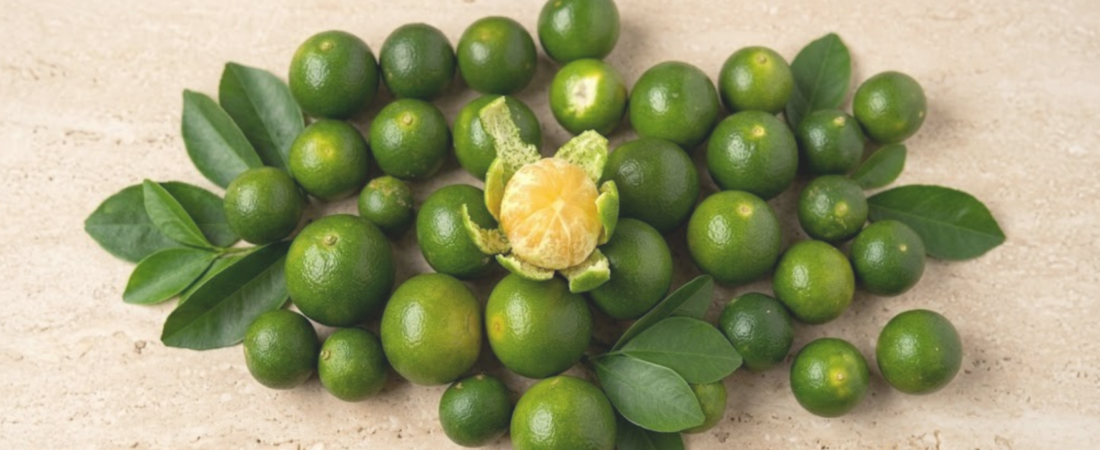
Calamansi is so embedded in Filipino food culture that it is easy to underestimate what the essential oil can do. We know the fruit. We know the smell. We grew up with it in sinigang, in juice, squeezed over lugaw on sick days. The familiarity makes it feel small.
It is not small.
What the oil actually contains
Calamansi essential oil (Citrofortunella microcarpa) is cold-pressed from the peel of the fruit. This matters because cold-pressing preserves a different chemical profile than steam distillation. The dominant compounds include limonene, beta-pinene, and myrcene, with smaller amounts of linalool and various aldehydes that contribute to its brightness and complexity.
Limonene, which makes up a large percentage of most citrus oils, has been studied fairly extensively. Research has found it to have anxiolytic (anxiety-reducing) properties, mood-lifting effects in inhalation studies, and antifungal properties that make it useful in cleaning applications. It also supports the immune system and has shown some evidence of anti-inflammatory activity.
Calamansi oil contains limonene in notably high concentrations, which puts it in the same therapeutic territory as lemon and sweet orange, but with a more complex aromatic profile and a distinctly Filipino character.
What it is good for
Mood support is the clearest application. Diffused in the morning, calamansi oil creates a mental environment that is alert without being wired. It is bright and clean without the sometimes-harsh edge of lemon. People who find grapefruit oil too aggressive often do well with calamansi.
It also works well in a focus blend layered with peppermint or rosemary, where it adds freshness without dominating. In a calming blend, it can balance heavier base notes like cedarwood or vetiver and keep the overall scent from feeling too dense.
For cleaning applications, a few drops in a spray bottle with water and a small amount of white vinegar makes a genuinely effective surface spray that also smells like something a person would want in their home.
What to watch for
Citrus oils are phototoxic when cold-pressed. This means they can cause skin reactions when applied topically and then exposed to sunlight. If you are using calamansi oil in a body oil or massage blend, either apply it to areas that will be covered, or avoid sun exposure for 12 hours after application.
Steam-distilled citrus oils do not carry the same phototoxicity risk, but cold-pressed versions (which preserve more of the aromatic complexity) do. Check your label. If it says cold-pressed, treat it with this precaution.
Shelf life is also shorter for citrus oils compared to heavier base note oils. Store in a cool, dark place, and if your calamansi oil has been open for more than a year, smell it before using. Oxidized citrus oil can be a skin irritant.
Why it belongs in a Filipino wellness practice
There is something to be said for using plants that are from here. Not as a nationalist argument, but as a practical one. Calamansi grows in the Philippines. It is harvested here, processed here, and its scent is coded into the sensory memory of almost every Filipino who grew up in a kitchen where someone was cooking.
Scent and memory are connected through the same neural pathway. A familiar scent reaches the limbic system, which handles emotion and memory, faster than any other sensory input. This means that calamansi oil does not just smell nice. For many Filipinos, it lands somewhere deeper than that.
That is worth knowing when you are choosing a wellness tool for daily use. The best tools are the ones you will actually reach for.