
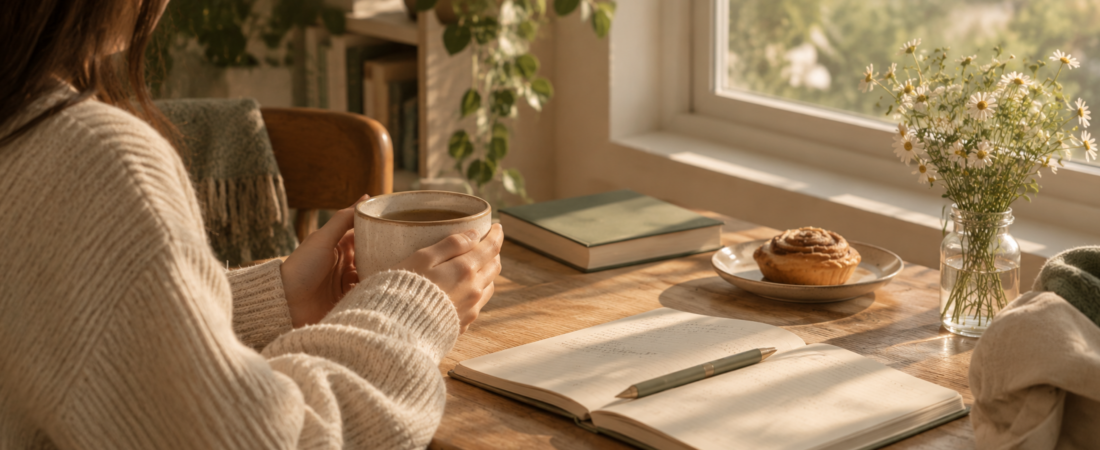
Some days feel easier when there is something small to look forward to. It might be a favorite meal waiting in the refrigerator, a walk after work, a new book on the bedside table, or a conversation with someone you have not seen in a while. These moments may seem ordinary, especially when compared with the bigger milestones we tend to celebrate, but they can give our days a little something to anticipate. When life becomes busy or repetitive, having something enjoyable on the horizon can make the hours feel a little different. Sometimes, the smallest plans are the ones that help us move through an ordinary day with a little more interest and warmth.
We often associate anticipation with major events. Birthdays, holidays, vacations, promotions, and important milestones give us clear reasons to feel excited about the future. These occasions can be meaningful, but they do not happen every day, and they often require time, money, or careful planning. If we depend only on big events to give us something to look forward to, everyday life can begin to feel like a long stretch between special occasions. Small pleasures offer another way to experience our days, creating moments of enjoyment that do not need to be saved for a particular date.
Finding joy in everyday life does not mean pretending that every day is wonderful or looking for a positive side to every difficult experience. Some days are tiring, disappointing, or simply uneventful, and we do not need to turn them into something extraordinary. Instead, it can mean noticing the things that make ordinary life feel a little more personal and enjoyable. Perhaps you like opening the windows in the morning, listening to a familiar playlist while getting ready, or having a few quiet minutes before everyone else wakes up. These small experiences may not change the circumstances of your day, but they can give you moments that feel worth noticing.
There is something reassuring about knowing that a pleasant moment is coming. After a long day, you might look forward to preparing a meal you enjoy or spending the evening with a favorite show. During a demanding week, perhaps you make plans to visit a familiar place, meet a friend for lunch, or spend a little time doing something creative. Having these moments on your calendar can give you something personal to return to when your attention is occupied by responsibilities. The anticipation itself may become part of the enjoyment, offering a reminder that your days contain more than the tasks you need to complete.
Small things to look forward to can also help us become more aware of what we genuinely enjoy. When we are busy, it is easy to organize our time around what is necessary and leave very little room for what feels satisfying. We may spend the day working, answering messages, completing errands, and taking care of other people before realizing that we have not done anything simply because we wanted to. Over time, this can make our routines feel repetitive, even when we are managing our responsibilities well. Making space for a small pleasure can remind us that enjoyment is also a meaningful part of everyday life.
These pleasures will look different for everyone. One person may feel refreshed by an early morning walk, while another may prefer a quiet evening at home with a book. Someone might look forward to trying a new recipe, tending to their plants, or visiting a weekend market, while someone else may find comfort in repeating a familiar routine. There is no universal list of activities that will make a day feel better, because our preferences are shaped by our personalities, experiences, energy, and circumstances. The point is not to find the most impressive activity, but to notice what feels genuinely enjoyable to you.
Sometimes, the things we look forward to are connected to our senses. The smell of a meal cooking in the kitchen, the feel of clean sheets after a long day, sunlight entering a familiar room, or the sound of rain outside can become small sources of comfort. These experiences invite us to notice our surroundings instead of moving through them automatically. A familiar scent might remind us of a routine we enjoy, while a favorite song can make an ordinary task feel more pleasant. Paying attention to sensory details can help us appreciate moments that might otherwise pass unnoticed.
There is also value in looking forward to something that does not require much preparation. We can sometimes make enjoyment feel like another project by believing it needs to be planned, earned, or made special. A day off becomes a list of activities, a hobby becomes something we should improve at, and rest becomes a reward for finishing everything else. While planning can be useful, not every enjoyable moment needs to become an event. You can take a few minutes to sit outside, make your favorite drink, listen to a song you love, or call someone who makes you laugh without needing to justify the time.
It is worth remembering that small pleasures are not a substitute for addressing difficult circumstances. If you are exhausted, dealing with ongoing stress, or struggling emotionally, a pleasant routine may not be enough to change what you are experiencing. You may need practical support, time to recover, an honest conversation, or help from a qualified professional. Small moments can exist alongside those needs without being expected to solve them. Their value lies in offering something enjoyable within the life you are living, even when other parts of that life remain challenging.
You can begin by asking yourself a simple question: What is one small thing I would genuinely look forward to this week? It does not need to be expensive, productive, or particularly interesting to anyone else. You might choose to cook a meal you have been craving, revisit a hobby you miss, take a different route on your afternoon walk, or set aside time to read without checking your phone. If your schedule is already full, consider choosing something that fits naturally into the day rather than adding another obligation. A small plan can be enough when it gives you a moment you are glad to anticipate.
You might also notice how often you postpone enjoyable things until the conditions feel right. Perhaps you are waiting for a less busy week to visit a place you love, for more free time to return to a hobby, or for a special occasion to use something you have been saving. It is understandable to put things aside when life is demanding, and not every activity can fit into the present moment. Still, some pleasures can be enjoyed in smaller ways while you wait. Reading a few pages instead of finishing a whole chapter, taking a short walk instead of planning a full outing, or making time for a familiar ritual can help you stay connected to the things you enjoy.
It can be helpful to keep a small record of these moments, too. At the end of the day, you might write down one thing you enjoyed, something that made you smile, or a moment you would like to experience again. This is not about creating a gratitude list that you must complete perfectly or convincing yourself that every day has been good. It is simply a way to notice what has been meaningful to you, even when it was easy to overlook. Over time, you may recognize patterns in the experiences that help you feel engaged, connected, or at ease.
The things we look forward to can change as our lives change. A routine that once brought comfort may no longer fit our schedule, while something new may become meaningful as we explore different interests or circumstances. You may discover that you enjoy quiet mornings more than busy weekends, or that spending time with friends has become especially important during a demanding period. Allowing your preferences to change gives you room to respond to what you need now. You do not have to keep enjoying something simply because it used to be part of your life.
Perhaps this is one reason small pleasures deserve more attention than we often give them. They remind us that a meaningful life is not made up entirely of milestones and major decisions. It is also shaped by the meals we enjoy, the people we make time for, the places we return to, the hobbies that hold our attention, and the quiet moments that feel like our own. These experiences may not seem significant when viewed individually, but together they become part of how we remember and experience our days. They offer small reasons to participate in ordinary life, even when nothing particularly exciting is happening.
You do not need to fill every day with activities or find something exciting to anticipate at all times. There will be days when getting through your responsibilities is enough, and others when you naturally feel more curious or energetic. The goal is not to make your life constantly interesting, but to leave a little room for experiences that you enjoy. Start with something simple, notice how it fits into your day, and allow yourself to appreciate it without turning it into another measure of success. Sometimes, having one small thing to look forward to is enough to make an ordinary day feel a little more inviting.